
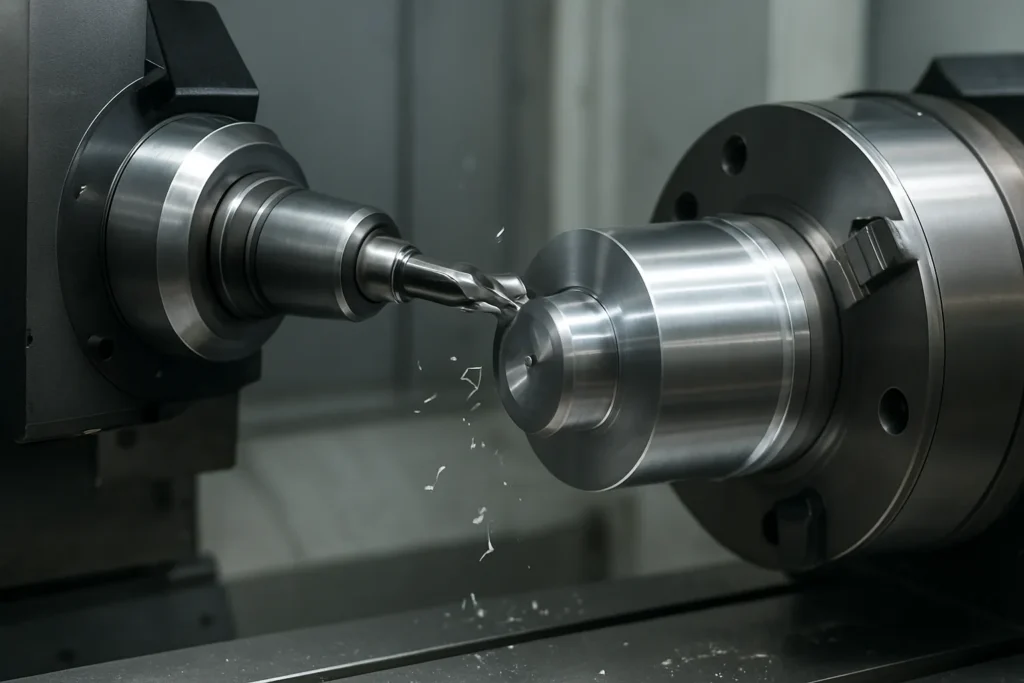
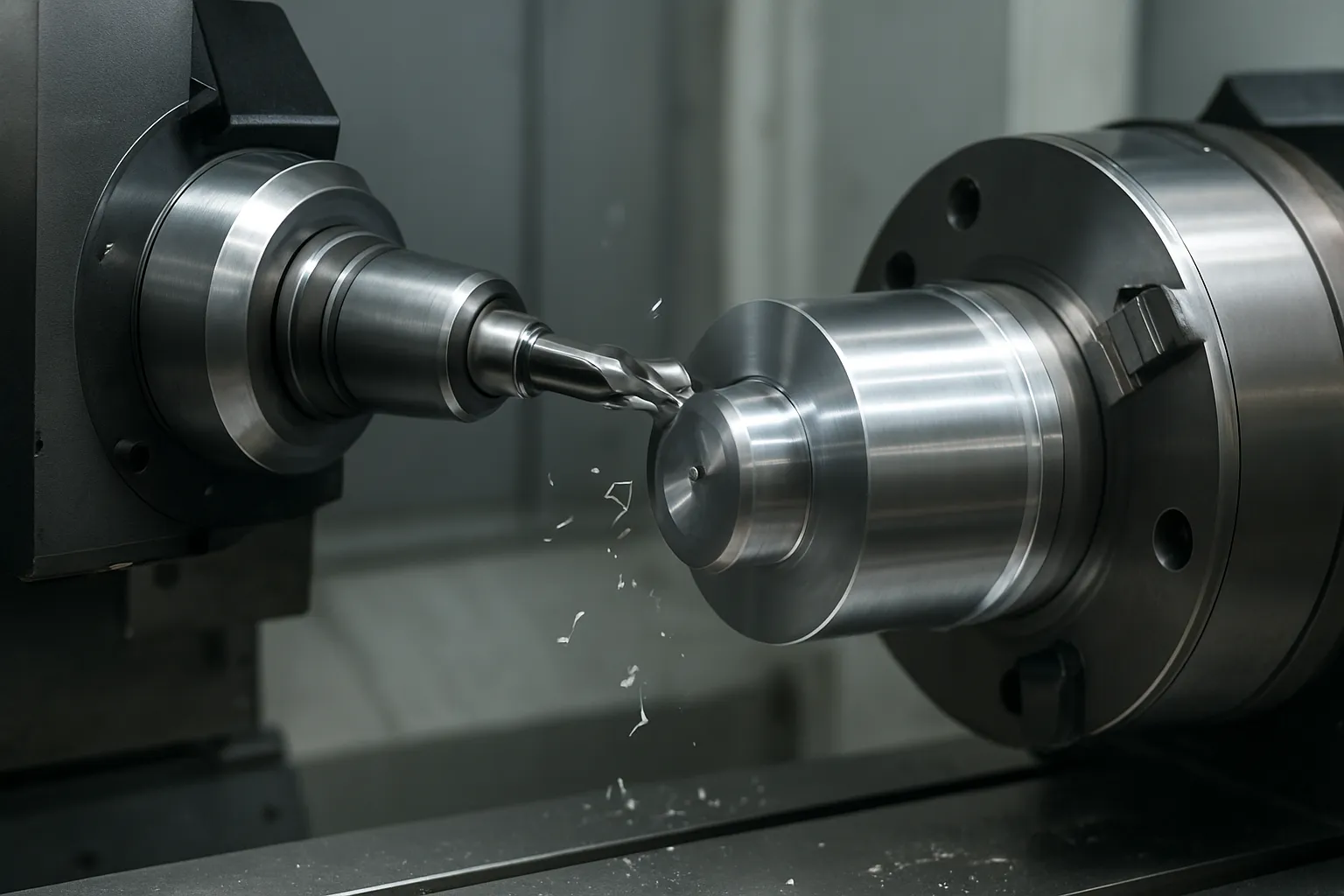
Precision machining is a vital manufacturing process that involves carefully removing material from a workpiece to achieve a specific shape and size with remarkable accuracy. This technique is essential for producing components that meet stringent specifications, making it crucial for the creation of industrial hardware. In sectors where tolerances and performance are paramount, precision machining guarantees that every part functions as intended, significantly contributing to the overall quality and reliability of the final product.
The hallmark of precision machining lies in its strict adherence to tolerances and accuracy. Tolerances refer to the permissible variations in dimensions, which can be as tight as a few microns in precision machining. This level of precision is critical for parts that must fit together seamlessly, such as those used in various machinery and equipment.
Material selection is another crucial aspect of precision machining. Different materials possess unique properties that can influence the machining processes and the performance of the final product. Commonly used materials include metals like aluminum, steel, and titanium, as well as plastics and composites, each selected based on the specific requirements of the industrial hardware being produced.
Surface finish requirements are also a vital specification in precision machining. The finish of a component can significantly impact its wear resistance, corrosion resistance, and overall aesthetic appeal. Techniques such as grinding, polishing, and coating are often employed to achieve the desired surface quality.
Precision machining is widely applied across various sectors, especially in the aerospace industry. Here, components must endure extreme conditions and comply with rigorous safety standards, making precision machining indispensable for manufacturing parts such as turbine blades and structural components.
In the medical device field, precision machining is critical for crafting implants, surgical instruments, and diagnostic equipment. The need for biocompatibility and precise dimensions in these devices emphasizes the importance of high-quality machining processes. For a deeper understanding of precision machining’s significance across industries, check out this industry reference.
The automotive sector also heavily relies on precision machining for producing essential components, including engine parts, transmission systems, and braking systems. The performance and safety of vehicles hinge significantly on the accuracy of these machined parts, underscoring the role of precision machining in advancing automotive technology.
When exploring precision machining, it’s important to compare the various techniques available. CNC (Computer Numerical Control) machining stands out as a modern approach that offers enhanced accuracy and efficiency over traditional methods. CNC machines can create complex geometries with minimal human intervention, making them ideal for high-volume production.
In contrast, additive manufacturing, commonly known as 3D printing, differs from subtractive methods like precision machining. While additive manufacturing builds parts layer by layer, precision machining removes material to achieve the final shape. Each method has its unique advantages and is suited for different applications, depending on the complexity and material of the part.
Cost-effectiveness is another critical consideration when selecting a machining technique. Although CNC and precision machining may entail higher upfront costs due to equipment and setup, they often lead to lower long-term expenses through reduced waste and increased productivity.
Finding trustworthy suppliers for precision machining services is essential for businesses focused on producing high-quality industrial hardware. Companies should seek out vendors with a proven track record in the industry, as well as those who can showcase their capabilities through case studies and references.
Evaluating vendor capabilities involves assessing their technology, equipment, and expertise. A supplier’s ability to manage specific materials, tolerances, and production volumes should align with the buyer’s requirements.
Certifications also play an important role in sourcing precision machining services. Certifications such as ISO 9001 indicate that a vendor adheres to quality management standards, providing assurance of their commitment to producing high-quality components.
Integrating precision machining into existing production processes requires careful planning and consideration. Companies must evaluate how new machining capabilities will fit within current operations and whether any modifications are necessary.
Technology and equipment considerations are vital. Investing in the latest CNC machines and software can enhance machining capabilities, but it’s equally important to ensure that staff receive proper training to operate and maintain this equipment.
Quality control measures are crucial in precision machining. Implementing rigorous inspection processes and utilizing advanced measurement tools can help guarantee that components meet the required specifications and quality standards.
Industries such as aerospace, medical devices, automotive, and electronics heavily rely on precision machining due to their need for high-quality, accurate components.
Selecting the right machining process depends on factors such as the material being used, the complexity of the part, production volume, and cost considerations.
Challenges in precision machining include maintaining tight tolerances, managing production timelines, and ensuring consistent quality across batches. Addressing these challenges requires skilled personnel, advanced technology, and effective quality control measures.
In conclusion, precision machining is integral to producing high-quality industrial hardware, ensuring that components meet the rigorous demands of various industries. By understanding its specifications, use cases, and the importance of sourcing reliable services, businesses can leverage precision machining to enhance operational efficiency and product reliability. As technology continues to advance, the role of precision machining will only grow more critical in driving innovation across sectors.