
1. Introduction
Selecting the right components for power tools is essential for any manufacturing operation. The efficiency, productivity, and safety of your manufacturing processes heavily depend on the quality and suitability of the power tool components you choose. In my experience, making informed decisions about these components can significantly impact overall operational success. In this article, we will explore the various aspects of power tool components, their role in manufacturing equipment, and how to make decisions that align with your operational needs.
2. Understanding Power Tool Components
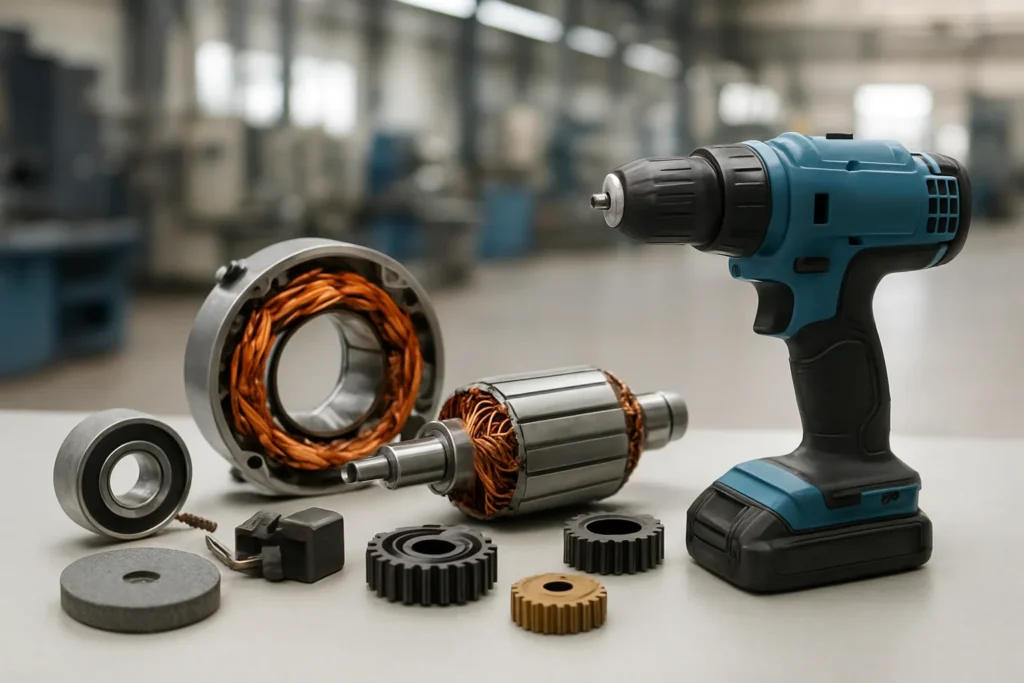
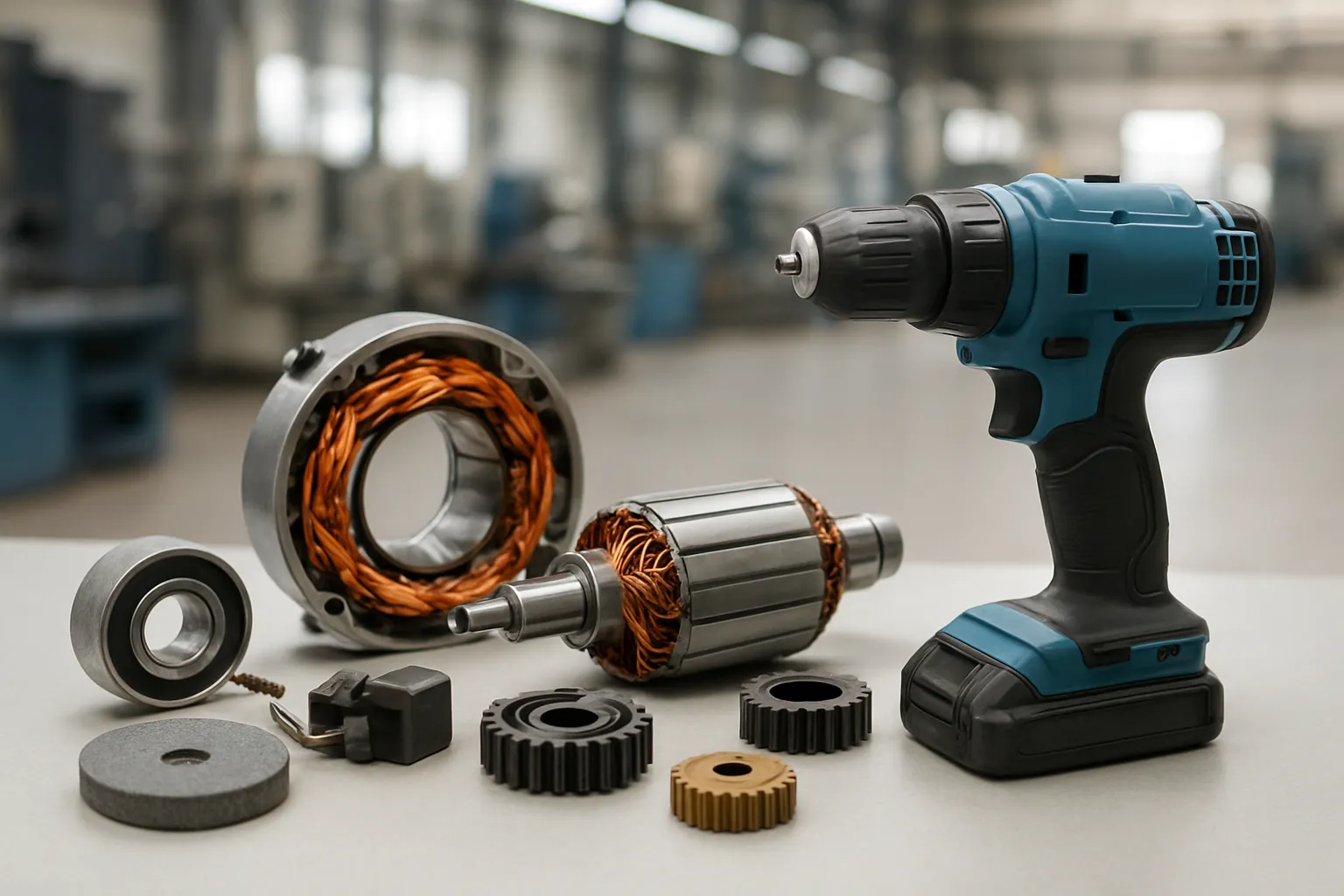
Power tool components encompass a wide range of parts that contribute to the functionality and performance of tools used in manufacturing. These components can include motors, batteries, switches, gears, and more. Understanding the types of power tool components available is crucial for selecting the right ones for your specific applications.
When evaluating power tool components, key specifications to consider include voltage, amperage, power rating, durability, and compatibility with existing equipment. Each of these specifications plays a vital role in determining how well the components will meet your manufacturing demands. For instance, a high-quality motor can improve the efficiency of your operations, while a durable battery can reduce the frequency of replacements.
3. Use Cases for Power Tool Components
Different industries utilize power tool components in unique ways. For example, the automotive sector may require high-torque motors for assembly lines, while the electronics industry might prioritize precision components for delicate assembly tasks. In my view, customization is often necessary to meet unique manufacturing needs, allowing businesses to tailor their power tools to specific applications and enhance overall productivity.
4. Comparing Different Power Tool Components
When selecting power tool components, it is essential to compare performance metrics across different brands and models. Factors such as speed, torque, and energy efficiency serve as critical indicators of a component’s effectiveness. Additionally, conducting a cost versus quality analysis can help you make informed decisions. While it might be tempting to opt for the lowest-priced components, investing in higher-quality options can lead to long-term savings through reduced maintenance costs and improved operational efficiency.
5. Sourcing Power Tool Components
Finding reliable suppliers and manufacturers of power tool components is fundamental to ensuring the quality and performance of your manufacturing equipment. Look for suppliers with a proven track record, positive customer reviews, and a wide range of product offerings. Evaluating supplier credentials, such as certifications and compliance with industry standards, can also provide assurance of their reliability and commitment to quality. For more detailed information on power tool components, you can refer to this industry reference.
6. Implementation of Power Tool Components
Once you have selected the appropriate power tool components, the next step is their integration with existing manufacturing equipment. This process may involve modifications to your current setup, so it is vital to plan accordingly. Additionally, providing training and support for staff is crucial to ensure they are equipped to use the new components effectively, maximizing their potential benefits. From what I have seen, training sessions can significantly enhance staff confidence and proficiency with new tools.
7. Frequently Asked Questions
Common concerns about power tool components often revolve around compatibility, performance, and maintenance. Manufacturers may worry about whether new components will work seamlessly with existing tools or if they will require additional modifications. To address these concerns, it is advisable to consult with suppliers or industry experts before making a decision.
Ongoing maintenance and upgrades are also critical to keeping power tool components in optimal condition. Regular inspections, cleaning, and timely replacements can prevent downtime and enhance the longevity of your manufacturing equipment.
In conclusion, selecting the best power tool components for your manufacturing needs requires careful consideration of various factors, including types, specifications, and supplier reliability. By understanding your unique requirements and conducting thorough comparisons, you can make informed decisions that enhance productivity and efficiency in your manufacturing operations.