
Choosing the Right Surface Treatment for Custom Metal Parts: A Complete Guide to Surface Treatments
1. Introduction to Surface Treatments
In the world of metal processing, the importance of surface treatment is paramount. These treatments bolster the physical and chemical properties of metal components, thereby extending their lifespan and enhancing performance to meet specific application needs. By modifying attributes such as hardness, corrosion resistance, and wear resistance, surface treatments play a vital role in the longevity and reliability of custom parts across diverse industries.
Common surface treatments include anodizing, electroplating, powder coating, and shot peening, each serving unique purposes and offering distinct advantages. It’s crucial for manufacturers to select the appropriate treatment tailored to their custom parts’ requirements.
2. Specifications for Custom Parts
Selecting the right surface treatment for custom parts involves careful consideration of several specifications.
Material Considerations
The choice of metal significantly affects the surface treatment decision. For instance, aluminum components often benefit from anodizing, which enhances their corrosion resistance and surface hardness. On the other hand, steel parts may require galvanization or powder coating to safeguard against rust and wear. In my experience, understanding the material properties is the first step in determining the best treatment.
Desired Properties and Performance
Defining the desired characteristics of the final product is equally important. If the custom parts are intended to endure high temperatures or harsh chemical environments, treatments such as thermal spraying or specialized coatings might be necessary. This clarity in performance requirements ensures that the selected surface treatment aligns with the intended application, ultimately leading to better product outcomes.
3. Use Cases for Surface Treatments
Surface treatments are applied across various industries, each with its own set of requirements.
Industry-Specific Applications
Take the automotive sector, for example. Here, surface treatments are critical for components that experience extreme stress and environmental exposure. Treatments like electroplating enhance the durability of engine parts and chassis components. Similarly, in aerospace, lightweight alloys often undergo anodizing to prevent corrosion while maintaining structural integrity. I believe that recognizing these industry-specific needs is essential for effective product design.
Examples of Custom Parts Requiring Surface Treatment
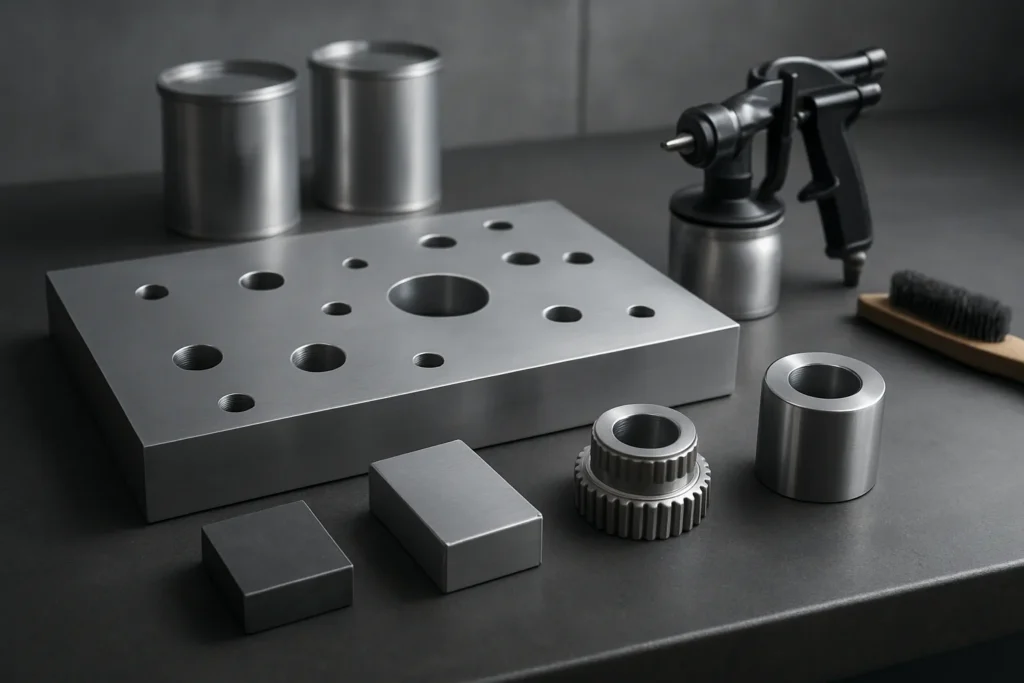
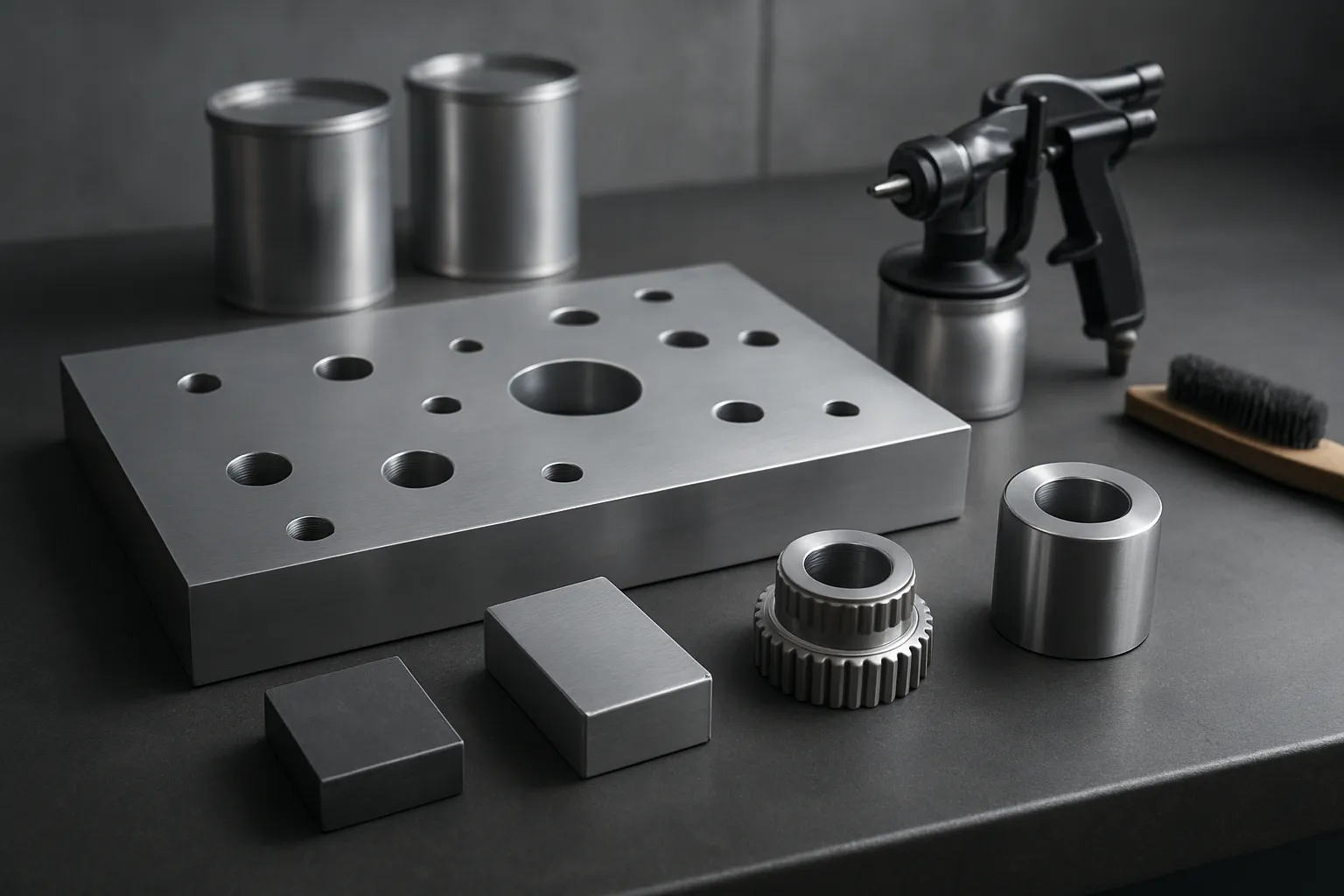
Custom parts such as gears, valves, and housings frequently necessitate surface treatments to optimize their performance. For instance, a gear treated with hardening techniques will show improved wear resistance, while a valve with a corrosion-resistant coating will ensure longevity in challenging environments. This attention to detail can significantly impact the overall effectiveness of the components.
4. Comparison of Surface Treatment Options
A thorough understanding of the various surface treatment options is key to making informed decisions.
Pros and Cons of Each Method
- Anodizing: Boosts corrosion resistance and surface hardness, though it may not suit all alloys.
- Electroplating: Delivers an excellent surface finish and strong corrosion resistance, but can be expensive and may not adhere well to all surfaces.
- Powder Coating: Provides a durable finish with a variety of colors, yet requires specific curing conditions and might be less effective on small parts with intricate geometries.
- Shot Peening: Enhances fatigue resistance but could alter dimensions if not controlled carefully.
In my opinion, considering the advantages and drawbacks of each method allows manufacturers to make choices that align with their operational goals.
Cost Considerations
Cost is a crucial factor when selecting a surface treatment. While some methods may entail a higher initial investment, they can result in long-term savings through reduced maintenance and extended product lifespan. Weighing the upfront costs against the anticipated benefits over the product’s lifecycle is essential for manufacturers looking to maximize their investments.
5. Sourcing Surface Treatment Services
Finding reliable surface treatment providers is vital for ensuring quality and consistency.
Finding Reliable Providers
Start by researching companies specializing in surface treatments for metal processing. Look for suppliers with a strong track record and positive feedback from previous clients. Certifications and industry affiliations can also serve as indicators of a provider’s credibility and expertise. From what I have seen, a thorough vetting process can save significant headaches down the line.
Evaluating Supplier Capabilities
When assessing potential suppliers, evaluate their capabilities regarding equipment, technology, and experience with specific treatments. A competent supplier should be able to provide case studies or examples of similar projects, showcasing their ability to meet your custom parts’ specifications effectively.
6. Implementation of Surface Treatments
Implementing surface treatments involves several critical steps to ensure effectiveness.
Steps in the Treatment Process
The treatment process typically commences with surface preparation, which may involve cleaning, degreasing, and sometimes etching the metal surface. Following preparation, the selected surface treatment is applied, whether through chemical processes, thermal methods, or mechanical techniques. Finally, parts undergo curing or finishing processes to achieve the desired properties.
Quality Control Measures
Quality control is essential throughout the surface treatment process. Regular inspections, adherence to specifications, and testing for properties such as adhesion, thickness, and corrosion resistance should be integral to the quality assurance protocol. This diligence ensures that the custom parts meet required standards and perform as intended.
7. Frequently Asked Questions
Common Concerns About Surface Treatments
Many manufacturers have inquiries regarding the longevity and effectiveness of surface treatments. Questions about the environmental impact of certain treatments are also prevalent, leading to a shift toward more sustainable practices in the industry.
Clarifications on Custom Parts Specifications
It’s vital to clarify any specifications related to custom parts early in the process. Discussing material types, expected performance outcomes, and any industry-specific regulations that may apply is crucial for aligning expectations and ensuring success.
Conclusion
Choosing the right surface treatment for custom parts in metal processing is a critical decision that can significantly influence both performance and longevity. By understanding the various treatment options, specifications, and sourcing reliable service providers, manufacturers can ensure their custom parts meet stringent quality and performance standards. Investing time in this process not only enhances product value but also fosters long-term success in competitive markets.